Smoke & CO Detector Installation
in Gallatin, TN
Battery-powered smoke alarms offer basic protection — but hardwired, interconnected alarms are the code standard for a reason: when one detects smoke anywhere in your home, every alarm goes off simultaneously. We install, upgrade, and replace hardwired smoke and carbon monoxide detectors throughout Gallatin and Sumner County.

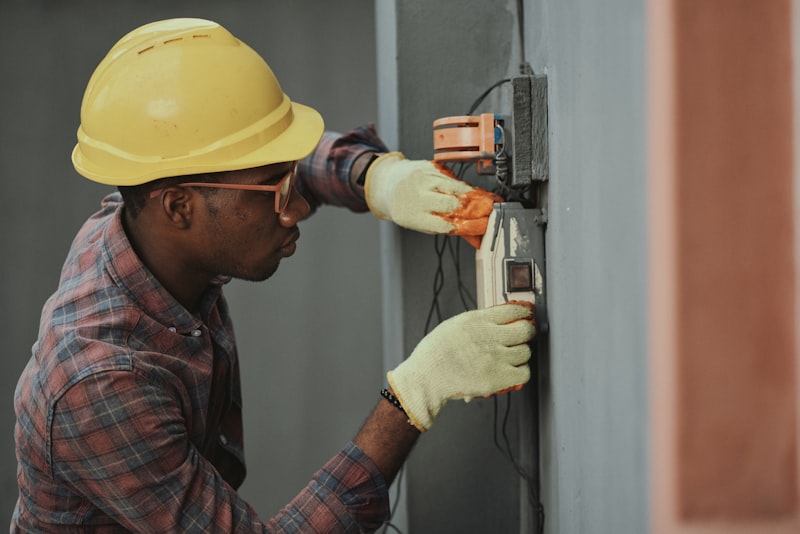
Hardwired Smoke & Carbon Monoxide Detectors in Gallatin, TN
Battery-powered smoke alarms offer minimal protection because their batteries can die and individual alarms only cover one room. Hardwired, interconnected alarms are required by current NEC and Tennessee residential building codes. Interconnection is the critical difference: if a hardwired alarm detects smoke in the basement, every alarm in the house sounds simultaneously — giving your family maximum time to exit safely, even when sleeping upstairs with bedroom doors closed.
We replace expired, outdated battery-only units with code-compliant hardwired systems and can add new alarm locations where additional coverage is required by today's building code. All new construction in Tennessee requires interconnected smoke alarms — if your home has been renovated or is older, it may not meet current standards.
Required Smoke Detector Locations (Tennessee Code)
Under current NEC and Tennessee residential building codes, hardwired smoke detectors are required:
- Inside every bedroom or sleeping area, including guest rooms and rooms that could be used as sleeping areas
- Outside every sleeping area — in hallways immediately adjacent to bedrooms
- On every level of the home, including the basement and any finished attic spaces used as living areas
- Interconnected: All alarms must trigger simultaneously when any single unit detects smoke
- Battery backup required: Hardwired alarms must include a battery backup so they function during power outages
- CO detectors required near fuel-burning appliances — furnaces, water heaters, fireplaces, and attached garages
Our Safety Detector Services
Hardwired Alarm Installation
Installing 120V hardwired smoke alarms connected to a dedicated circuit with battery backup — the code-required standard for Tennessee homes.
Carbon Monoxide Detectors
Installing CO alarms near gas appliances, furnaces, fireplaces, and bedrooms to protect against carbon monoxide — the invisible, odorless killer.
Interconnected Systems
Wiring all alarms to communicate simultaneously so that smoke detection anywhere in the home triggers every alarm — maximizing evacuation time.
Combination Smoke/CO Units
Installing space-saving dual-sensor combination smoke and carbon monoxide detectors that handle both hazards with a single device.
10-Year Sealed Battery Units
Installing modern sealed lithium battery alarms that never need battery replacement for their full 10-year service life — perfect for rooms without nearby wiring.
System Inspection & Replacement
Testing interconnection wiring, cleaning sensors, and replacing expired alarms — smoke detectors must be replaced every 10 years even if they appear functional.
Our Smoke Detector Installation Process
Code Compliance Assessment
We verify required detector locations per Tennessee residential code and identify which positions need hardwired interconnection.
Circuit & Wiring Planning
We plan the most efficient wiring route between detectors for interconnection, and verify whether an existing circuit can support the new detectors.
Hardwired Installation
We install and wire each detector with the correct interconnection wiring so all alarms sound simultaneously when any one detects smoke.
Testing & Documentation
We test each detector individually and verify the whole-home interconnection by triggering one alarm and confirming all others activate.
Benefits of This Service
- Interconnected alarms give maximum warning time — if one detects smoke, all sound
- Hardwired detectors with battery backup work even during power outages
- Eliminates the risk of a dead battery silencing a detector you weren't aware of
- Tennessee code requires interconnection in new construction and renovations
- Combination smoke/CO detectors address both fire and carbon monoxide threats
- Documented installation satisfies insurance and code enforcement requirements
Why Choose Us in Gallatin, TN
- We install to current Tennessee Residential Code — not just minimum requirements
- Interconnected hardwired alarms tested before we leave every installation
- Combination smoke and CO detectors available for comprehensive protection
- Licensed electricians handle the wiring — not just a handyman mounting units
- Upfront pricing with no surprise charges for additional units or wiring complexity
- Emergency installation available if a current system has failed inspection
Common Projects We Handle
- Full home hardwired smoke and CO detector installation for a newly purchased older home
- Replacement of expired battery-only detectors with hardwired interconnected system
- Smoke detector installation as part of a home renovation that triggered code compliance
- Additional detector installation in a newly finished basement bedroom per code
- Detector relocation after a kitchen renovation changed room layout
- Rental property smoke and CO detector installation to meet landlord insurance requirements
⚠️ Warning Signs You Need This Service
- Your home has only battery-powered smoke alarms in the bedrooms — not interconnected
- Detectors are more than 10 years old — the sensing elements degrade and must be replaced
- One or more detectors are chirping — low battery or end-of-life signal
- You've had multiple false alarms from a kitchen detector — may be wrong type for the location
- Home inspector flagged missing detectors in required locations
- You're a landlord and your insurance requires documented smoke and CO detector installation