Home EV Charger Installation Cost
in Gallatin, TN
Planning your home EV charging setup? Multiple factors affect the total installation cost — panel capacity, conduit run distance, existing wiring, and equipment choice. The federal Alternative Fuel Infrastructure Tax Credit covers 30% of equipment and labor costs. We provide upfront written estimates with no surprises throughout Gallatin and Sumner County.
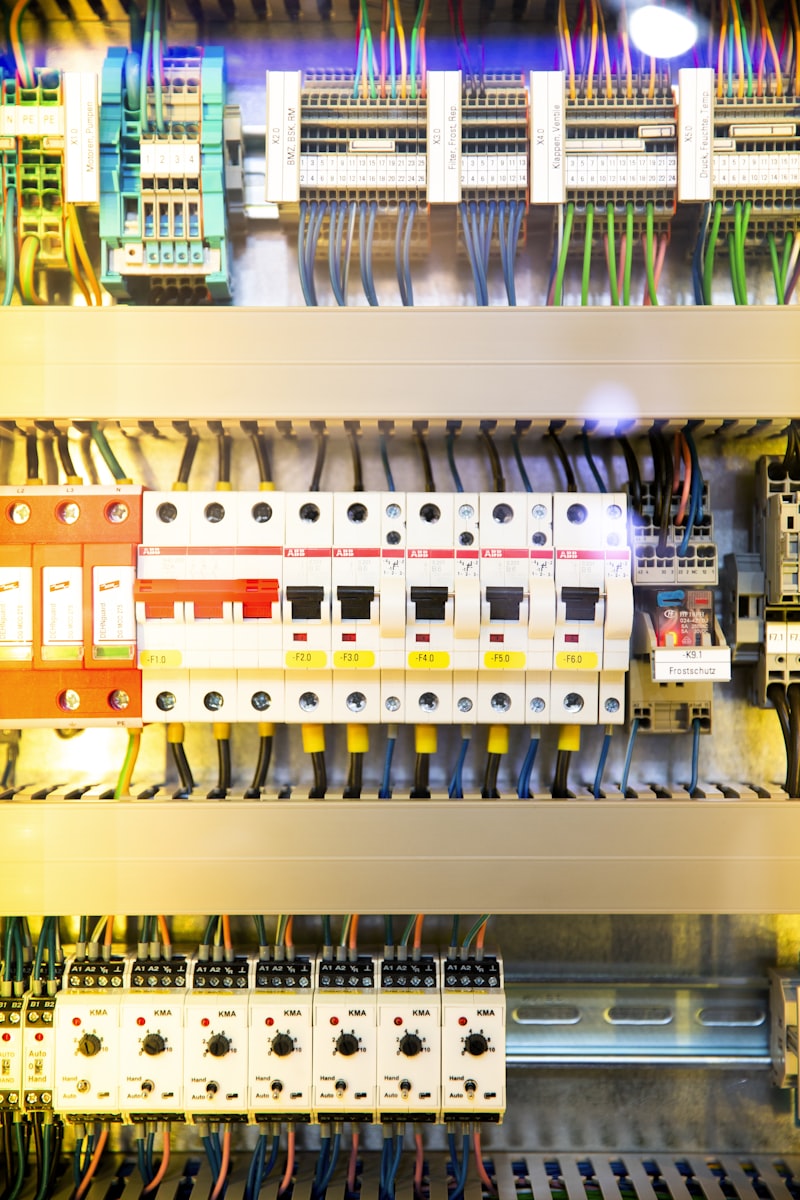

Key Factors That Determine Home EV Charger Installation Cost
The cost of installing a home Level 2 EV charger in Gallatin isn't just the charger itself — the electrical installation labor and materials often equal or exceed the equipment cost, particularly when panel upgrades or long conduit runs are involved. Understanding what drives costs allows you to plan your budget accurately and prioritize the right approach for your home's specific situation.
A straightforward garage installation where the panel is already in the garage and has available 50-amp capacity is a simple, lower-cost project. A long-run installation where the panel is in the basement, the garage is on the opposite side of the house, and the panel is already at capacity — requiring an upgrade — is a significantly more complex project. We assess all of these factors during a free on-site evaluation before providing your written estimate.
Primary Installation Cost Drivers
- Panel Location vs. Charger Location: The single biggest cost variable. A charger directly adjacent to your panel (common in attached garages) costs significantly less than running 60+ feet of conduit through walls, attics, or underground to reach a detached garage or driveway location.
- Panel Amperage & Available Capacity: Level 2 chargers require a 240V, 40-amp or 50-amp double-pole breaker. Homes on 100A service panels may require a panel upgrade or load management system to accommodate the additional load safely.
- Conduit Routing Complexity: Interior wall routing is less expensive than exterior conduit, trenching underground, or routing through finished living spaces.
- Hardwired vs. Plug-In Installation: Hardwired installation is the code-preferred method; plug-in installations require a NEMA 14-50 outlet and a compatible charger but offer portability.
- Equipment Tier: Smart chargers with Wi-Fi, scheduling, and energy monitoring cost more than basic Level 2 units — but offer significant utility cost savings for time-of-use rate customers.
Our EV Charger Installation Services
On-Site Load Calculation
Measuring your home's active electrical load to determine available panel headroom for a 40-amp or 50-amp EV charger circuit without triggering overload conditions.
Federal Tax Credit Guidance
The Alternative Fuel Infrastructure Tax Credit (IRS Form 8911) covers 30% of equipment and installation labor costs — we document installations to support your tax claim.
Level 2 Charger Installation
Installing hardwired or plug-in Level 2 EVSE from any manufacturer — ChargePoint, JuiceBox, Emporia, Grizzl-E, or your own charger included with the vehicle.
Panel Capacity Upgrades
When needed, upgrading 100A service to 200A with our turnkey electrical panel upgrade service, or installing a load management device to add charger capacity safely.
Dedicated Subpanels
If your panel is already near capacity, adding a dedicated garage subpanel installation keeps your 50-amp EV circuit isolated and expandable.
Federal Tax Credits Available
The Alternative Fuel Vehicle Refueling Property Credit allows homeowners to claim up to 30% of EV charger installation costs. We provide the documentation you need to file.
How We Price EV Charger Installations
Free Panel Assessment
We evaluate your panel capacity, breaker availability, and the distance from your panel to the charger location before quoting any pricing.
Itemized Quote
You receive a line-item quote covering circuit materials, labor, any necessary panel work, permit fees, and EVSE hardware if applicable.
Permit & Installation
We pull the required permit, complete the installation, and coordinate the required city inspection — no hidden costs after acceptance.
Tax Credit Documentation
We provide a detailed invoice documenting hardware and labor costs separately so you can accurately file for the 30% federal tax credit.
Benefits of This Service
- No surprise charges — every cost is itemized before work begins
- The 30% federal Alternative Fuel Vehicle credit significantly reduces net cost
- Proper installation avoids future correction costs from unpermitted DIY work
- Competitive pricing with the transparency needed for federal tax credit filing
- Panel upgrade cost included in your quote upfront if needed
- No obligation quote lets you plan your budget before committing
Why Choose Us in Gallatin, TN
- Transparent itemized pricing — you see every cost component before saying yes
- We advise you on the most cost-effective installation path for your home's layout
- Federal tax credit documentation provided with every invoice
- No upselling to unnecessary panel upgrades when your existing panel has capacity
- Experience with all home types — older homes, new construction, attached garages
- Upfront quote at no charge — no commitment required to get an estimate
Common Projects We Handle
- Level 2 charger installation where the panel is in the garage — minimal wire run cost
- EV charger with a panel upgrade required — full cost transparency provided upfront
- Hardwired EVSE installation vs. 14-50 outlet — which is more cost-effective for you
- Charger installation in a detached garage requiring conduit through a yard
- Multi-car household requiring two EV circuits installed simultaneously
- Charger installation timed to claim the current year's federal tax credit
⚠️ Warning Signs You Need This Service
- You received an EV charger quote but it didn't include permit fees
- A contractor offered to install your EV charger without pulling a permit — avoid this
- Your EVSE installation was done without an inspection and may void the tax credit
- You're unsure whether your panel needs upgrading before adding an EV circuit
- You don't know whether to choose a hardwired EVSE or a 14-50 outlet — we advise you
- You need an EV charger installed before December 31 to claim this year's tax credit